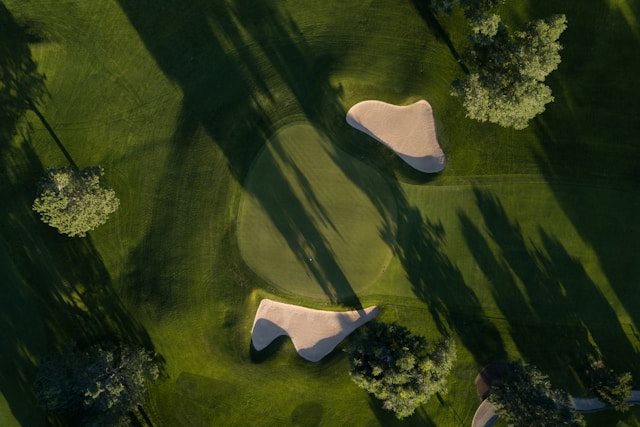
Golf is a unique fusion of sport, strategy, and harmony with nature. In 2026, enthusiasts of the game can expect an especially rich season: legendary majors will return to iconic venues, while new courses around the world will continue the global shift toward natural sandy landscapes and wider public access. According to the latest 2025–2026 rankings from Golf Digest and GOLF Magazine, the world’s top courses maintain their status thanks to outstanding design, demanding conditions, and premium infrastructure. Many are classic links in the United Kingdom and Ireland, while others are modern masterpieces built on the sandbelts of Australia, New Zealand, and the United States.
This year stands out due to a powerful major championship calendar. The Masters will traditionally take place in April at Augusta National Golf Club, the PGA Championship in May at Aronimink Golf Club in Pennsylvania, the U.S. Open in June at Shinnecock Hills in New York, and The Open Championship in July at Royal Birkdale in England. These events not only test the world’s best professionals but also create a unique atmosphere that inspires amateur golfers to plan their trips well in advance.
As noted by a sports betting SEO expert analyzing current trends, golf betting in 2026 adds an extra layer of engagement. Forecasts for majors—especially The Open at Royal Birkdale or the U.S. Open at Shinnecock Hills—help fans better understand elite-level strategy and make watching tournaments, or even playing the game themselves, significantly more immersive.
Leaders of the Global Rankings
Royal County Down in Northern Ireland frequently tops rankings of the world’s best links courses. It is renowned for breathtaking views of the Mourne Mountains, blind shots, natural bunkering, and dense marram grass. The infrastructure combines a historic clubhouse with modern amenities, while visitor access makes it an ideal destination for those seeking authentic British links golf without overwhelming crowds. Constantly shifting winds and complex terrain ensure that the course remains a formidable challenge even for seasoned professionals.
Augusta National Golf Club in Georgia, USA, is a true icon and the home of the Masters. The legendary Amen Corner, immaculate greens, and blooming spring azaleas create an atmosphere unlike any other in golf. The club offers premium practice facilities and flawless service. In 2026, it will once again host the season’s first major, setting the competitive tone for the entire golfing year.
St Andrews Old Course in Scotland is rightfully known as the birthplace of golf. Its double greens, deep bunkers, and unpredictable North Sea winds test even the most experienced players. Access is available through a ballot or lottery system, and the historic surroundings add unmatched charm. Beyond the round itself, visitors value the museums, university heritage, and timeless golfing culture that define the town.
Pebble Beach Golf Links in California, USA, is one of the most visually striking courses in the world, thanks to dramatic Pacific Ocean views—especially on holes carved along the cliffs. Fully open to the public, the course is paired with a luxury resort offering world-class accommodation and spa services. Natural hazards and demanding greens have kept Pebble Beach at the top of global rankings for decades.
Royal Melbourne West in Australia represents the gold standard of sandbelt golf. Rolling fairways, strategically positioned bunkers, and exceptionally fast greens demand precise shot-making and tactical discipline. Although the club is private, it offers visitor days, and its composite layout with the East Course is frequently used for major international tournaments.
Courses Hosting the 2026 Majors
Royal Birkdale in England will host The Open Championship. This classic links course features towering dunes, pot bunkers, and firm turf. Legends such as Arnold Palmer, Tom Watson, and Jordan Spieth have triumphed here. While access is limited, the atmosphere during a major championship is unparalleled, steeped in history and competitive intensity.
Shinnecock Hills in New York will welcome the U.S. Open. One of America’s oldest courses, it is famous for rolling dunes, ocean views, and brutally fast greens that can dramatically alter leaderboard outcomes. Although private, the club becomes the focal point of the global golf community during major championship years.
Aronimink Golf Club in Pennsylvania has been selected to host the PGA Championship. Donald Ross’s classic parkland design—featuring long fairways, deep bunkers, and undulating greens—has been modernized to meet contemporary championship standards. Its premium private infrastructure makes Aronimink a rare and prestigious major venue.
New Courses and Trends in 2026
In 2026, approximately 26 new courses are scheduled to open worldwide. Among the most anticipated are Trout National by Tiger Woods’ TGR Design, expansions of Michael Keiser’s portfolio at Sand Valley, Rodeo Dunes, and Wild Spring Dunes, as well as Ponta do Pargo on Madeira by Nick Faldo. The dominant trend is minimalist design rooted in natural sandy terrain, with a strong emphasis on public access and environmental sustainability.
Technology is also playing a growing role. Advanced GPS tracking, mobile performance-analysis apps, and digital tee-time booking systems are becoming standard. Many new courses are incorporating water-efficient irrigation and energy-saving infrastructure, making golf more environmentally responsible without compromising quality.
Golf Travel Recommendations
To maximize enjoyment in 2026, golfers should focus on regions with a high concentration of elite courses. Scotland and Ireland are ideal for classic links experiences, combining St Andrews Old Course, Royal County Down, and Royal Portrush. England offers exceptional routes around Royal Birkdale, supplemented by courses such as Sunningdale and Swinley Forest. Australia and New Zealand provide world-class open-access options including Royal Melbourne West, Tara Iti, and Cape Wickham. In the United States, Pebble Beach Golf Links remains a must-play, alongside emerging destinations in Wisconsin and Texas.
Advance planning is essential. Tee times at top venues should be booked early, and seasonal weather patterns must be considered. Aligning golf trips with regional tournaments or cultural events can further enrich the travel experience.
Conclusion
The year 2026 promises to be an outstanding period for golf travel at every level. Legendary courses combine rich heritage, serious competitive challenge, and refined infrastructure, while major championships and new openings add fresh excitement. With thoughtful planning, early bookings, and a clear understanding of regional highlights, golfers can fully experience the magic of the game. Golf is more than a sport—it is a journey defined by landscape, strategy, and unforgettable moments.